Independent Field Asset Emission Measurement · Oman & GCC
EmitScan delivers independent, field-measured exhaust emissions profiling for industrial combustion assets across Oman and the GCC. ISO 8178-aligned. ASTM D6522-validated. Inspection-ready records — not estimates.
What we do
EmitScan sends a certified field engineer to your site and connects calibrated measurement instruments directly to each combustion asset's exhaust. We capture the real concentrations of every exhaust gas your engines produce — under actual operating load, actual fuel, and actual field conditions.
Every asset gets its own signed report, a permanent emissions record, and a clear pass or flag against international benchmarks. No spreadsheet estimates. No generic emission factors. Actual measurements.
What we measure on every asset
What you get from it
When to measure
The measurement advantage
The majority of industrial operators across the GCC currently calculate Scope 1 emissions using GHG Protocol Tier 1 or Tier 2 methods — multiplying fuel consumption by a generic IPCC or API emission factor derived from laboratory conditions and average global engine populations.
These factors carry no relationship to your specific equipment model, age, fuel sulfur content, operating load, or the reality of running at 45°C in desert conditions. They are a starting point — not evidence.
EmitScan delivers GHG Protocol Tier 3: direct field measurement, asset by asset, visit by visit. The difference is not just methodological — it is commercial and regulatory.
In the majority of cases, actual field-measured emissions are lower than generic emission factor estimates. EmitScan gives you the signed, instrument-validated measurement to demonstrate that — to any auditor, regulator, or project owner.
Who we serve
Each sector carries a different combustion profile and regulatory obligation. EmitScan measurement programmes are configured to the specific equipment type and applicable test cycle for your fleet.
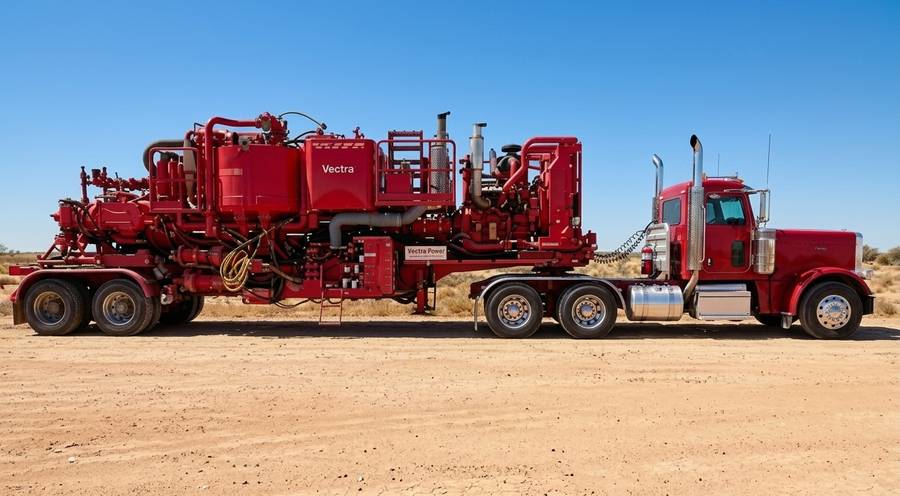
Drilling rigs, mud pumps, cement units, wireline, well test units, and workover rigs — across exploration, production, and well intervention operations.
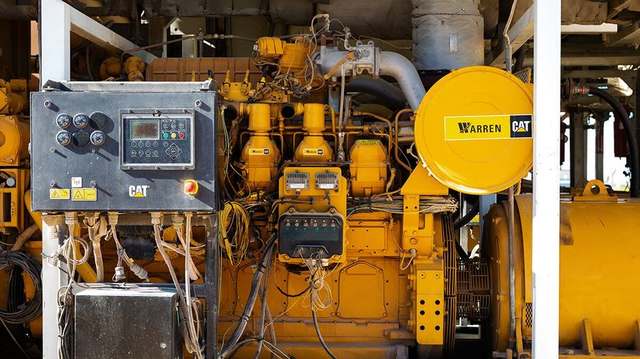
Excavators, mobile cranes, piling rigs, concrete pumps, and site generators across major infrastructure and development projects in Oman and the GCC.
Haul trucks, blast hole drills, rope shovels, ore crushers, and site power equipment for mining and quarrying operations — the GCC's most emissions-intensive fleets.
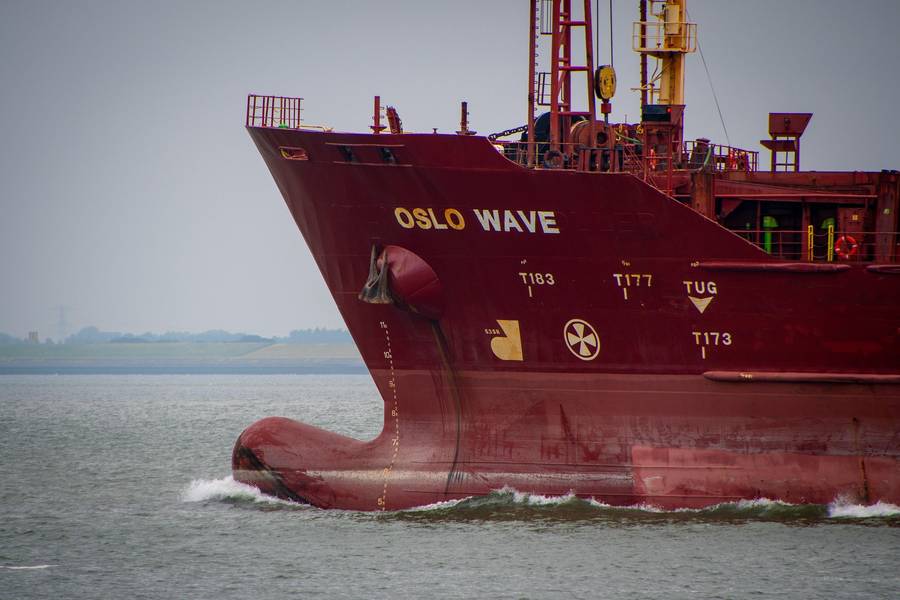
Vessel main engines, auxiliary generators, and boilers for OSVs, supply vessels, tankers, and port crane equipment — aligned to MARPOL Annex VI.
Our services
Both tiers use the same rigorous field methodology and certified instruments. Tier 2 adds mass flow measurement and g/kWh conversion, enabling full EPA Tier classification and Scope 1 GHG inventory output.
On-site measurement of exhaust gas concentrations using the Testo 350 MCERTS-certified portable analyser. Full exhaust chemistry per asset: CO, NOx (NO + NO₂), SO₂, CxHy (total hydrocarbons), O₂, CO₂, excess air, and exhaust temperature. Results benchmarked against World Bank EHS Guidelines and Oman MD 18/2009 limits.
Full Tier 1 details →Everything in Tier 1, plus exhaust mass flow measurement and fuel consumption cross-check. Results converted from ppm concentrations to g/kWh — the unit required by ISO 8178-4 test cycles and EPA CFR Part 1039 for non-road engine Tier classification. Delivers a fully Scope 1-compatible emissions inventory aligned to GHG Protocol Tier 3 and GRI 305 disclosure requirements.
Full Tier 2 details →Methodology
Every EmitScan measurement is grounded in a coherent stack of international standards — covering field procedure, instrument performance, and regulatory benchmarking.
Explore standards & regulations →Regulatory environment
Industrial emissions regulation across Oman and the GCC is at an inflection point. Royal Decree 114/2001, Ministerial Decision 18/2009, and evolving operator HSEMS requirements mean that organisations without a documented, measured emissions baseline are increasingly exposed — to inspection risk, to ESG audit gaps, and to regulatory catch-up costs.
Establishing a field-measured baseline before regulatory scrutiny arrives positions your organisation ahead of the curve. It also provides the verified data your project owners, ESG auditors, and financing institutions are beginning to require.
Asset Health Passport
After each measurement visit, every asset receives an updated passport — a dated, signed emissions profile that accumulates with every visit. Over time, this becomes your most defensible emissions document.
Client Portal
Every EmitScan client receives secure access to their own portal — a live view of all asset records, trend data, and Scope 1 inventory, updated after every measurement visit. Click through the sidebar below to explore how each panel works.
Click any asset above to view full measurement history. Below: selected asset detail.
Sample asset: HT-400 Mud Pump · 6-visit history
GHG Protocol Tier 3 (measured) · GRI 305 aligned · ready for ESG audit submission
All deliverables across visits · downloadable PDF and Excel
Data Ownership and Security
Your data belongs to you. EmitScan operates with signed client NDA in place from first engagement. The client portal infrastructure is hosted on enterprise cloud data setup. Client data is exportable on demand and retained per a documented data retention policy. Access is per-client with role-based permissions — your data is not shared, aggregated, or accessible to any other party.
Preview of the EmitScan client portal. Active client portals are provisioned at engagement kickoff with secure per-client access.
Start today
Tell us your site, your equipment types, and your compliance question. We will respond within 24 hours with a proposed measurement scope, applicable ISO 8178 test cycles, and an assessment timeline.